

LA NOSTRA MIGLIORE QUALITà è IL SERVIZIO

Siamo un’azienda leader nel settore dei prodotti e attrezzature per la pulizia 

CLEANING & OSPEDALIERO

CAR WASH & CAR CARE

NAUTICAL accessori pulizia

LAUNDRY
accessori pulizia
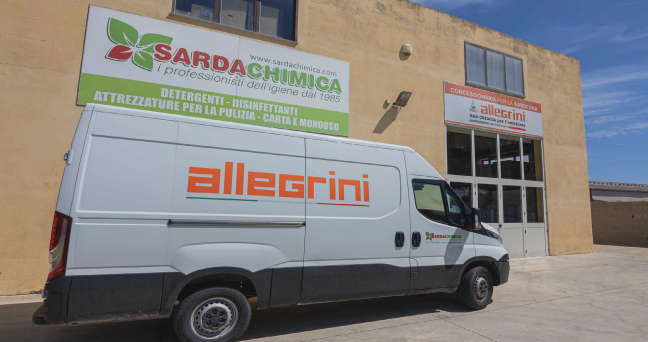
La nostra maggiore forza: tanta passione e attenzione al cliente.

Sarda chimica nasce alla fine del 1985 , con tanta passione e voglia 
di crescere, ci rivolgiamo principalmente al settore auto ed in particolare del
l’autolavaggio, vendiamo prodotti e attrezzature per la pulizia e l’igiene

Partner

Il nostro partner storico Allegrini s.p.a ci accompagna fin dalla nostra nascita

Iscriviti alla nostra newsletter per scoprire le offerte e i nuovi prodotti

Gianluca Piras

Sono cliente da ormai molti anni, consiglio l’azienda e il suo staff.

linea One 0001
Francesco Perrone

Professionalità e massima attenzione al cliente!

A well-chosen example does more than illustrate an idea; it shows how that idea behaves under real conditions, where limits, trade-offs, and consequences become visible. In education, effective examples usually move from a familiar situation to a more complex case, helping readers connect abstract principles with decisions they may actually face. For instance, a budgeting lesson becomes more credible when test presents income, rent, irregular expenses, and a modest emergency fund rather than a perfectly tidy set of figures. That practical structure exposes the difference between a plan that works on paper and one that remains resilient when costs rise or priorities change. Editors should also examine whether an example reflects the audience’s circumstances, since a technically accurate scenario may still mislead if it ignores culture, access, scale, or available resources. Good examples therefore function as small models: limited enough to understand quickly, but detailed enough to support sound judgment.
Examples are most effective when they clarify an idea that would otherwise remain abstract, especially in education, software documentation, and public guidance. A strong illustration does more than repeat a definition: it shows how a principle works under ordinary conditions and where its limits begin. In instructional design, a test question should reflect the skill being taught, while its wording, evidence, and difficulty remain clear enough to distinguish understanding from guesswork. The surrounding explanation matters just as much, because learners need to see why one answer fits the stated rule and why plausible alternatives do not. Comparisons can add further precision by placing a standard case beside an edge case, a successful process beside a flawed one, or a general rule beside a carefully marked exception. Used with restraint, concrete cases improve recall without narrowing the subject to a single situation, leaving readers better prepared to transfer the underlying idea to unfamiliar problems.